Need Help? Get in touch with us Call
Follow Us



Need Help? Get in touch with us Call
Follow Us
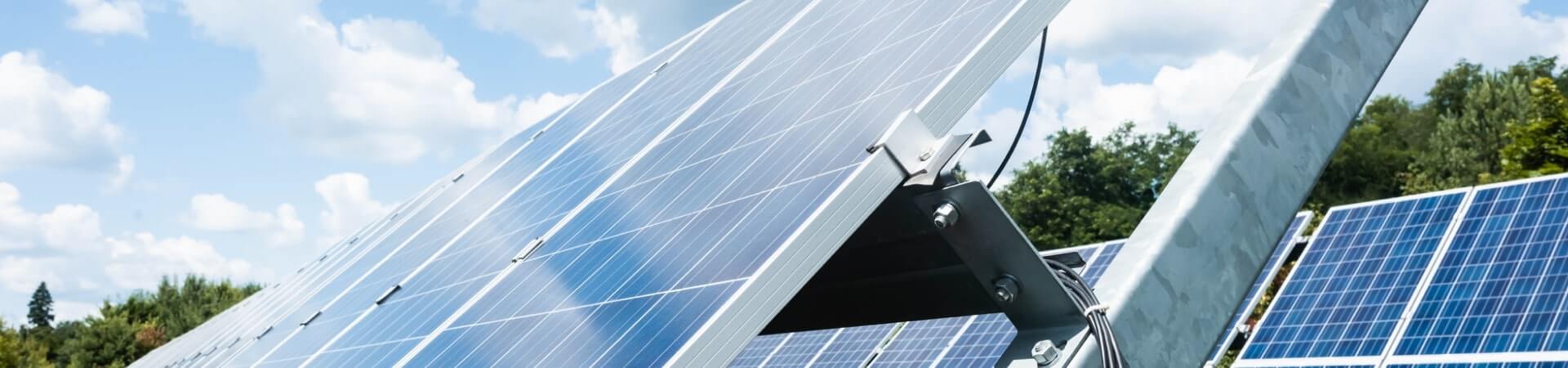
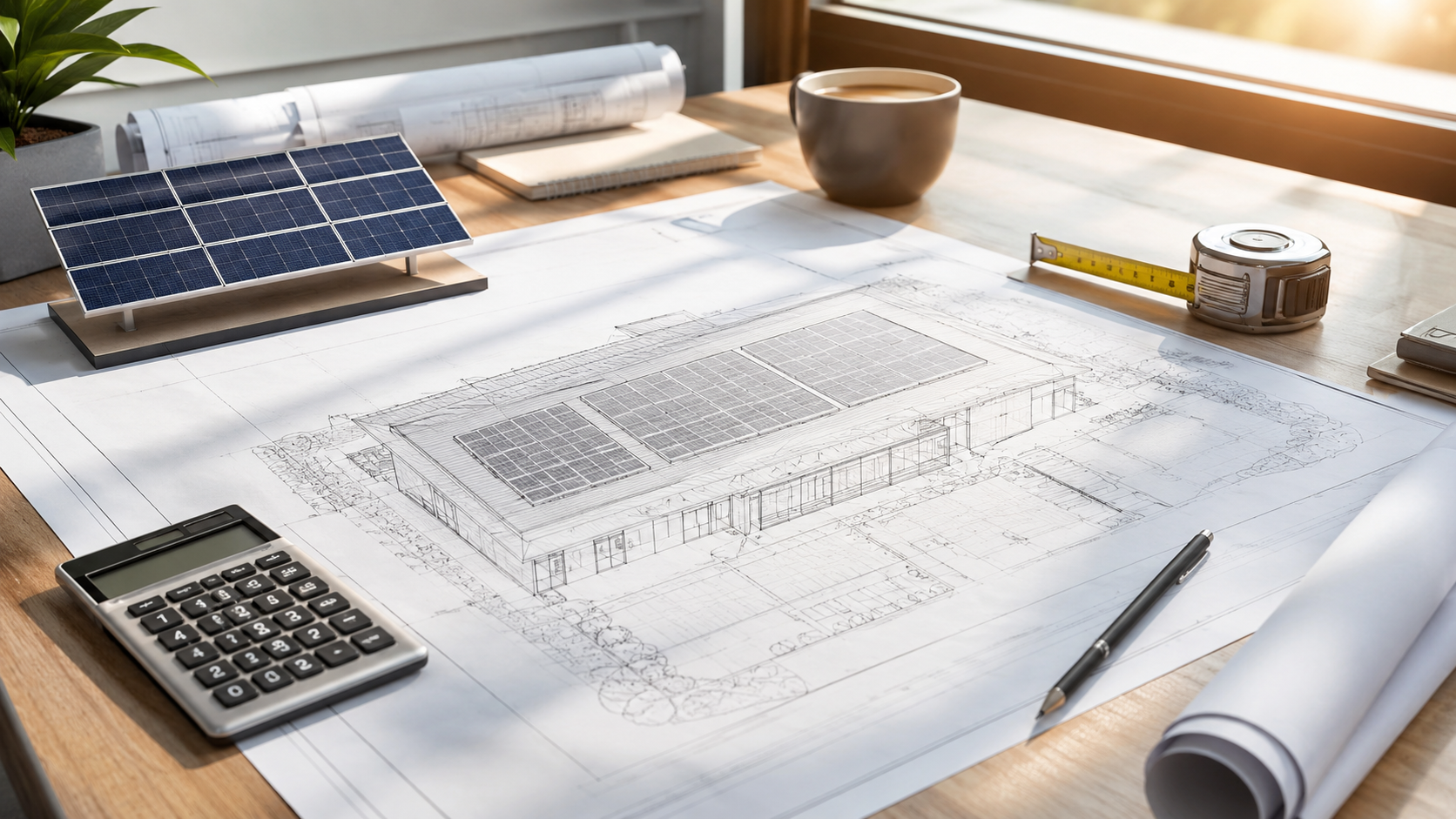
If you own or manage a commercial property in Dallas, switching to solar is one of the most effective ways to control rising energy costs. A well-planned commercial solar installation can cut your operating expenses, reduce your building’s carbon footprint, and strengthen your business’s long-term value. But without the right planning, a solar project can run into delays, budget overruns, or underperformance.
This guide walks through the key steps for a successful commercial solar installation in Dallas, from assessing your energy needs to activating your finished system.
Dallas gets roughly 234 sunny days a year, making it one of the more favorable markets in the country for solar energy production. Combined with consistently high summer electricity demand driven by commercial HVAC loads, that sun exposure translates into real, measurable savings for local businesses.
A Dallas restaurant owner running walk-in coolers and AC units around the clock, for example, can see a meaningfully different monthly utility bill after switching to solar. The same applies to warehouses, office buildings, and retail spaces with high daytime energy use, which lines up well with peak solar production hours.
Commercial solar isn’t a one-size-fits-all purchase. The performance and payback of your system depend heavily on decisions made before a single panel goes on the roof your building’s energy profile, roof condition, orientation, and local permitting requirements all shape the outcome.
Skipping this groundwork is one of the most common reasons commercial solar projects in Dallas underperform or face costly delays. A system sized for the wrong energy load, or installed on a roof that wasn’t properly evaluated, won’t deliver the savings a business is counting on.
Before designing a system, your installer needs to understand how much power your building actually uses and how that usage shifts across seasons. Pulling at least 12 months of utility bills gives a clear picture of consumption patterns, especially summer cooling spikes that are common in North Texas.
From there, a site evaluation determines whether your property is a good fit. South-facing roof sections with minimal shading typically produce the best results in the Dallas area, with installers generally targeting a tilt angle in the 30–35 degree range for optimal sun exposure. Your installer will also confirm your roof can structurally support the system, or evaluate ground-mount alternatives if rooftop space is limited.
 Roof orientation, pitch, and condition
Light Switch Solar’s commercial solar installation team handles this full assessment, so your system is sized and positioned correctly from day one.
Once your energy needs and site conditions are clear, the next step is designing a system that matches them and deciding how to pay for it. These two decisions go hand in hand, since financing structure can affect long-term ownership of the system and its tax benefits.
For equipment, the goal is a system built to last: quality panels, reliable inverters, and mounting hardware suited to Texas weather, including the high heat and occasional severe storms North Texas sees each year. A good design also leaves room to expand the system later if your business grows or energy needs increase.
Commercial solar panels and commercial solar batteries services can be paired together for businesses that want both energy generation and backup power resilience built into one system.
Federal tax incentives are one of the biggest financial levers for commercial solar, but the rules have changed significantly in recent years and the details matter. As of 2026, the federal commercial solar Investment Tax Credit (ITC) is generally available at a 30% rate for qualifying systems, though eligibility now depends on meeting specific construction-start deadlines and documentation requirements. Because these rules are subject to change and vary by project size, it’s worth confirming current eligibility with a tax professional and your solar provider before finalizing your budget.
Beyond the federal credit, Texas offers a property tax exemption on the added value solar brings to your building, and some local utilities offer their own incentive programs. Your installer should also manage the permitting process with the City of Dallas and your utility provider, since permit delays are one of the most common causes of installation timeline slippage.
With financing, design, and permits in place, installation can begin. Timelines vary based on system size and complexity, but your installer should keep you updated throughout, since commercial installations often involve some level of disruption to daily operations.
After physical installation, the system goes through testing to confirm it performs as designed before being connected to the grid a step that typically requires sign-off from your utility provider. Once activated, ongoing monitoring helps catch any performance issues early, and routine solar repair and maintenance keeps the system running efficiently for years.
 Equipment installation by licensed technicians
For businesses also evaluating their roof’s condition alongside a solar project, commercial solar roofing and commercial ground mount solar are both options worth discussing with your installer during the design phase.
Planning a commercial solar installation doesn’t have to be overwhelming when you have the right team guiding you through each step. Light Switch Solar can walk you through a free site assessment and help you understand exactly what your Dallas business needs to make the switch with confidence. Contact us today to get started.
Timelines vary based on system size, permitting, and weather, but commercial installations typically take longer than residential projects due to their scale. Your installer can give you a project-specific timeline after the site assessment.
Not necessarily, but your installer will check roof age and condition first. If your roof is near the end of its lifespan, it’s usually more cost-effective to replace it before installing panels rather than removing and reinstalling them later.
System size depends on your building’s energy consumption, available roof or ground space, and your savings goals. A proper site assessment and review of past utility bills will determine the right size for your business.
Yes. Battery storage can be added during initial installation or afterward, giving your business backup power during outages and the ability to draw on stored energy during peak demand hours.
Address
Houston, TX
Phone No:



 June 24th 2026